Many men wonder about how to prevent prostate enlargement. To answer that question, you can’t always prevent prostate enlargement. But maintaining a healthy weight, exercising regularly, eating a balanced diet, limiting caffeine and alcohol, and getting regular check-ups can help lower the risk.
Healthy habits and early medical guidance can also help manage symptoms and slow progression if they develop.
On this Page
What is prostate?
The prostate is a small yet important gland within the male reproductive system. Positioned beneath the bladder, it surrounds the urethra, the passage that carries urine out of the body.
Its primary role is to produce a fluid that becomes part of semen, helping protect and support sperm movement during ejaculation.
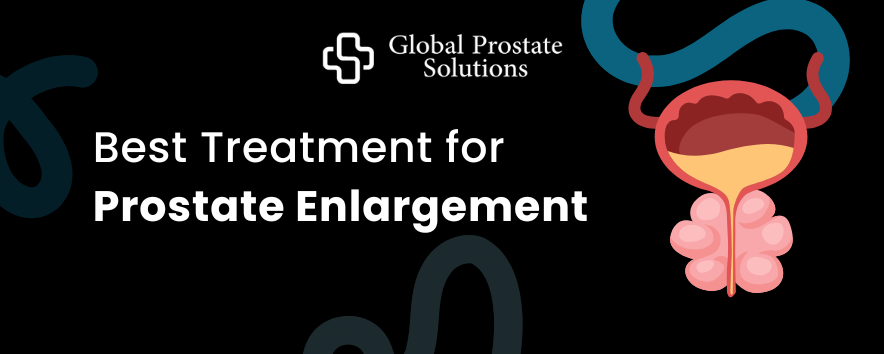
In younger men, the gland is typically about the size of a walnut, but it often enlarges with age. Although it is not cancer, the enlarged prostate can place pressure on the urethra and disrupt normal urination. It is called benign prostatic hyperplasia (BPH).
How to prevent prostate enlargement?
Prostate enlargement is largely linked to natural aging and genetics, meaning it cannot be completely prevented. However, certain lifestyle choices may help lower symptom severity or support overall prostate health.
- Schedule Regular Check-Ups
Routine screenings allow early detection of prostate changes and timely management.
- Maintain a Balanced Diet
Focus on fruits, vegetables, and whole grains while limiting saturated fats. Nutrient-dense diets support general hormonal and metabolic health.
- Stay Physically Active
Exercise helps maintain a healthy weight and circulation, both of which are associated with improved urinary health.
- Manage Fluid Intake
Reducing fluids in the evening may limit nighttime bathroom trips.
- Limit Caffeine and Alcohol
Both can irritate the bladder and worsen urinary urgency.
- Be Cautious with Certain Medications
Some over-the-counter cold or allergy medications may aggravate urinary symptoms. Consult a healthcare provider if unsure.
What are the symptoms of an enlarged prostate?
An enlarged prostate typically affects how urine flows because the gland presses on the urethra and bladder. It is more common in older men. As the prostate enlarges, it can press against and narrow the urethra, leading to changes or difficulties with urination. Common symptoms include:
- Frequent need to urinate more often than usual
- Nocturia: waking up during the night to urinate
- Sudden need to urinate
- Difficulty starting urination
- Weak or slow urine stream
- Stopping and starting while urinating
- Dribbling at the end of urination
- Feeling that the bladder hasn’t fully emptied
What are the possible treatments for an enlarged prostate?
Treatment for an enlarged prostate depends on symptom severity, prostate size, and overall health. Many men with mild symptoms may only need monitoring, while others benefit from medication or procedures. Clinical guidance from organizations such as the American Urological Association and the National Institute of Diabetes and Digestive and Kidney Diseases supports a step-wise approach to management.

Demanding Prostate Biopsy Kit
in the United Kingdom.!!!
Lifestyle and Monitoring
For mild symptoms, doctors may recommend:
- Regular check-ups
- Reducing evening fluid intake
- Limiting caffeine and alcohol
- Maintaining physical activity and a healthy weight
This approach is often called “watchful waiting.”
Medications
If symptoms become bothersome, medications may help:
- Medicines like alpha blockers relax the prostate and bladder muscles to help with smooth urine flow
- 5-alpha reductase inhibitors: shrink the prostate over time by affecting hormone levels
- Combination therapy may be used when appropriate
Minimally Invasive Procedures
When medication isn’t effective, outpatient treatments may be considered, including:
- Implants that hold prostate tissue away from the urethra
- Water-vapor therapy that reduces excess tissue
- Laser therapies that remove or vaporize obstructing tissue
These options typically offer shorter recovery times than traditional surgery.
Surgical Treatment
For severe cases or complications, surgery may be recommended to remove or reduce prostate tissue and restore urine flow.
How to diagnose an enlarged prostate?
Doctors don’t rely on just one test, diagnosis usually combines symptoms, exam, and investigations.
- Medical history & symptom review
- The doctor asks about urinary symptoms (frequency, weak stream, urgency, etc.).
- Sometimes questionnaires like the International Prostate Symptom Score (IPSS) are used to assess severity.
- Physical examination — Digital Rectal Exam (DRE)
- A gloved finger is inserted into the rectum to feel the prostate.
- Helps estimate size, shape, and detect abnormalities.
- Urine tests (Urinalysis)
- Checks for infection, blood, or other issues that might mimic BPH symptoms.
- Blood test — PSA (Prostate-Specific Antigen)
- Measures PSA level to assess prostate health.
- Elevated levels may suggest enlargement, inflammation, or cancer (not diagnostic alone).
- Imaging / functional tests (if needed)
- Ultrasound: measures prostate size and residual urine
- Uroflowmetry: checks urine flow rate
- Post-void residual volume test: measures urine left in the bladder
- Cystoscopy: visual inspection of the urethra/bladder
- Biopsy (only if cancer is suspected)
- Not routine for BPH
- Done if PSA/DRE findings are concerning
Conclusion
Prostate enlargement is a common age-related condition that cannot always be prevented, but healthy habits and regular check-ups can help reduce its impact. Understanding symptoms, diagnosis, and treatment options allows men to take proactive steps toward better prostate health. Seeking medical advice when changes occur is key to effective management and long-term well-being.
If you are facing any enlarged prostate issues, feel free to connect with our healthcare provider.
FAQs
1. How can I reduce the enlargement of my prostate?
You can’t fully reverse age-related prostate enlargement on your own. Healthy habits like eating well, exercising, and limiting caffeine or alcohol can help manage symptoms. Regular check-ups are important. Doctors may prescribe medication or recommend procedures to shrink the prostate or relieve pressure when needed.
2. What are the five warning signs of prostate enlargement?
Common signs include frequent urination, waking at night to urinate, difficulty starting urination, a weak urine stream, and feeling that the bladder hasn’t fully emptied. Persistent urinary changes should be medically evaluated.
3. How do I get my prostate back to normal size?
In many cases, enlargement cannot be completely reversed naturally, but medications can shrink the prostate and improve symptoms. Minimally invasive treatments or surgery may further reduce tissue when necessary, based on medical advice.
4. What triggers the prostate to enlarge?
The main triggers are aging and hormonal changes, particularly shifts in testosterone and related hormones. Genetics, obesity, and metabolic factors may also contribute to the likelihood of enlargement.