
Local Anaesthetic Transperineal (LATP) Procedure
A structured, ultrasound-guided prostate biopsy workflow performed under local anaesthetic.
The Local Anaesthetic Transperineal (LATP) procedure is performed through the perineum using real-time ultrasound guidance to obtain systematic and targeted prostate tissue samples. The procedure combines sterile preparation, local anaesthesia, ultrasound imaging, guided needle placement, and specimen collection within a controlled clinical workflow.
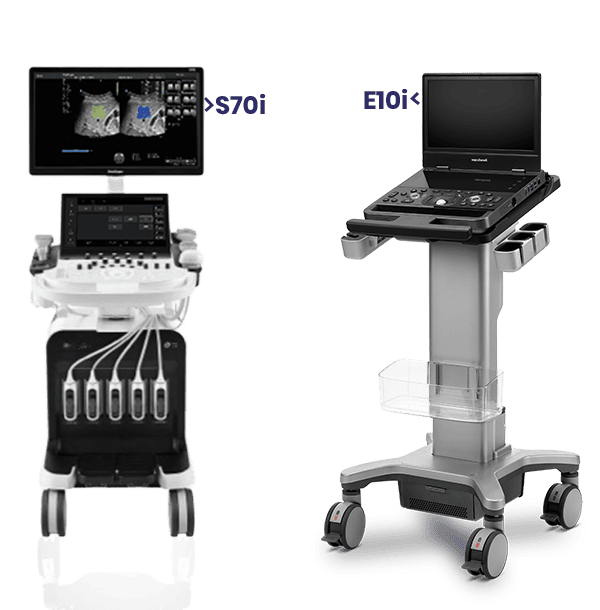

LATP Procedure Workflow
- Sterile preparation
- Local anaesthesia
- Ultrasound imaging
- Guided needle placement
- Specimen collection
LATP Workflow with Global Prostate Solutions Biopsy Box
The Global Prostate Solutions Biopsy Box is designed to support Local Anaesthetic Transperineal as well as stepper-guided prostate biopsy procedures by providing the essential sterile consumables required throughout the procedure. From local anaesthesia to ultrasound-guided tissue sampling and specimen collection, the box is organised to support an efficient and consistent TP workflow in accordance with established clinical techniques and institutional protocols.

Explore the Stepper-Guided Procedure
Discover a template-guided transperineal biopsy workflow with the Smart Stepper Stabiliser, Brachy Grid, and Brachy Balloon.
View Stepper-Guided Procedure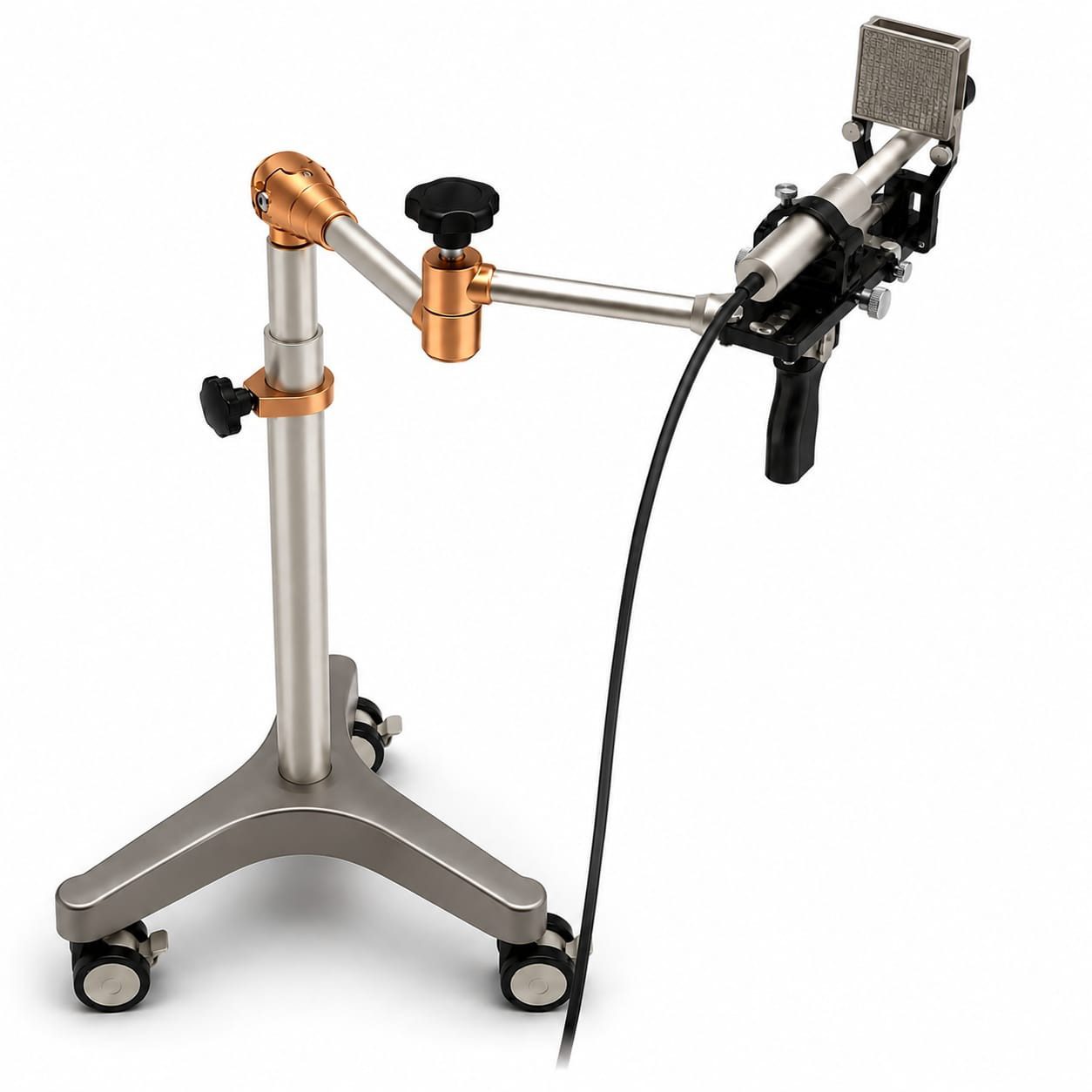
Step-by-Step LATP Procedure
-
Patient Positioning
Position the patient in the lithotomy position to provide optimal access to the perineum for the transperineal biopsy procedure.
-
Sterile Procedure Site Preparation
Clean and prepare the perineal area using an appropriate antiseptic solution. Establish a sterile field before opening the biopsy box and preparing the procedure.
-
Open the Sterile Biopsy Box
Open the Global Prostate Solutions Biopsy Box using aseptic technique and arrange the sterile consumables within the sterile field before the procedure begins.
-
Administer Local Anaesthesia
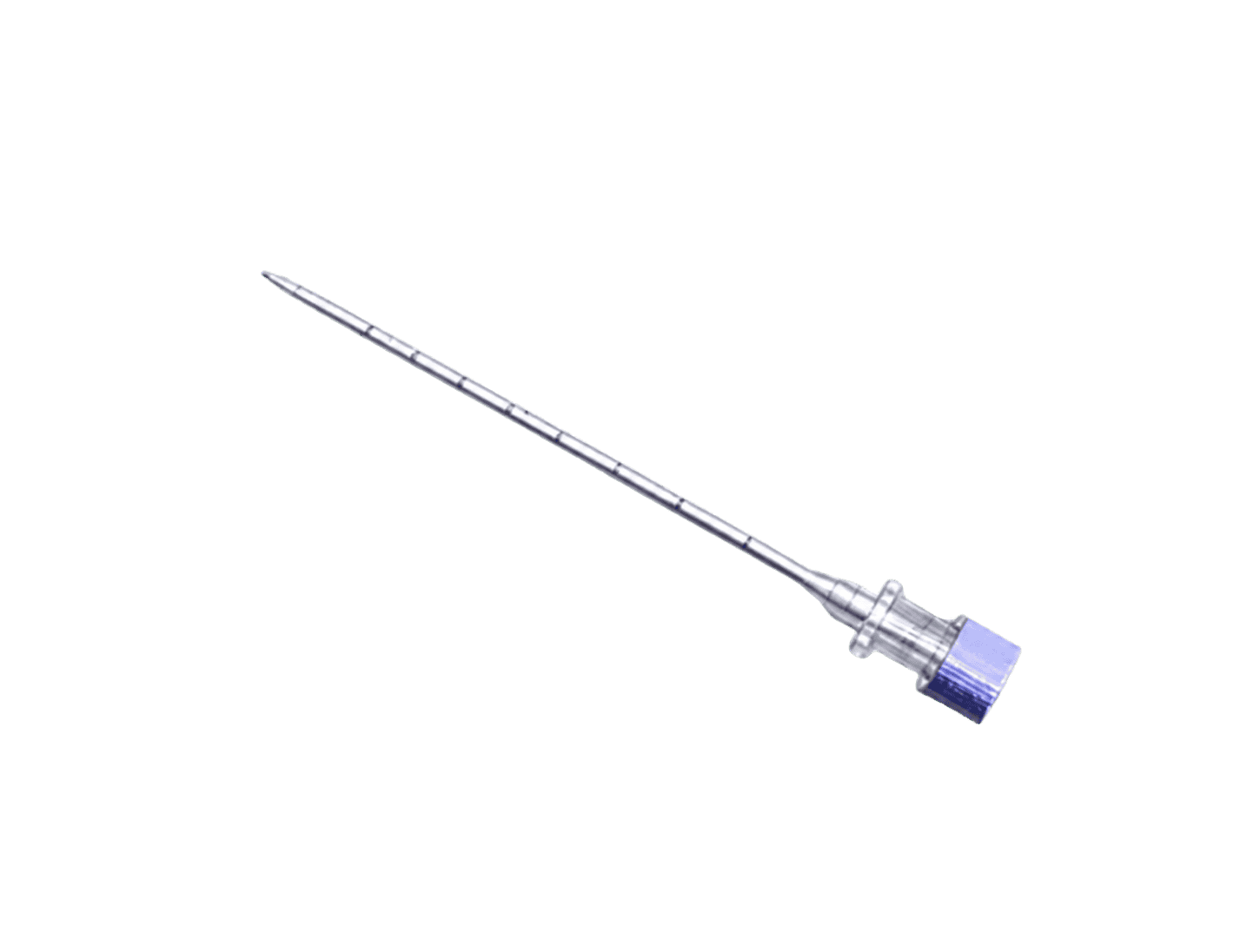
Administer local anaesthetic according to institutional protocol using superficial skin infiltration followed by deeper infiltration with the supplied spinal needle. Allow sufficient time for the anaesthetic to take effect before biopsy sampling.
-
Prepare the Ultrasound Probe
Prepare the ultrasound probe with a sterile probe cover and sterile ultrasound gel. Ensure the probe cover is securely fitted and the gel is evenly distributed to maintain sterility and optimise ultrasound image quality.
-
Attach the Freehand Needle Guide
Securely attach the Freehand Needle Guide to the prepared ultrasound probe. Align the guide with the probe and adjust it to the required position before inserting the probe.
-
Prostate Visualisation & Assessment
Insert the ultrasound probe and obtain a clear real-time view of the prostate. Assess the prostate anatomy, size, and planned biopsy targets using continuous ultrasound guidance.
-
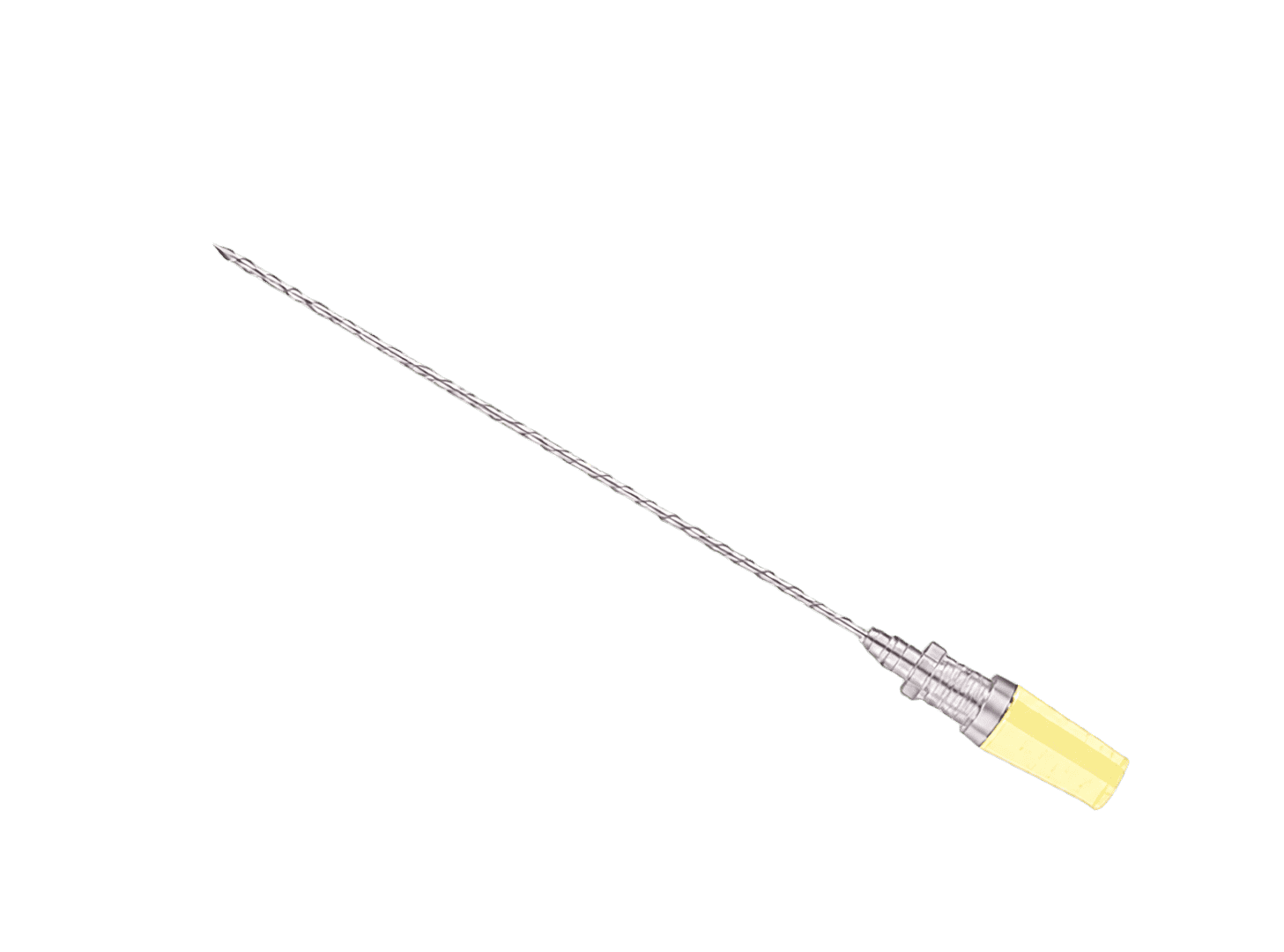
Position the Coaxial Needle
Insert the Coaxial Needle through the Freehand Needle Guide and position it under continuous ultrasound guidance. Confirm the planned needle pathway before tissue sampling begins.
-
Systematic Tissue Sampling
Load the Prostate Biopsy Gun and obtain tissue cores from the planned biopsy locations. Sampling is performed systematically across the left and right lobes of the prostate, including the anterior, mid-gland, and posterior regions as required by the biopsy protocol.
-
Specimen Transfer & Procedure Completion
Transfer each biopsy specimen into a labelled Tissue Cassette or specimen container for pathological analysis. Following the procedure, dispose of single-use components appropriately, clean reusable equipment according to manufacturer instructions, and monitor the patient in line with institutional post-procedure protocols.
Key Components Used During the LATP Procedure
-
Ultrasound Probe
Insert the ultrasound probe and obtain a clear real-time view of the prostate.
-

Freehand Needle Guide
Align the guide with the probe and adjust it to the required position before inserting the probe.
-

Coaxial Needle
Insert the Coaxial Needle through the Freehand Needle Guide and position it under continuous ultrasound guidance.
-
Prostate Biopsy Gun
Load the Prostate Biopsy Gun and obtain tissue cores from the planned biopsy locations.
-
Spinal Needle
Administer local anaesthetic according to institutional protocol using superficial skin infiltration followed by deeper infiltration with the supplied spinal needle.
-

Ultrasound Probe Cover
Ensure the probe cover is securely fitted and the gel is evenly distributed to maintain sterility and optimise ultrasound image quality.
-
Tissue Cassette
Transfer each biopsy specimen into a labelled Tissue Cassette or specimen container for pathological analysis.
-
Sterile Ultrasound Gel
Prepare the ultrasound probe with a sterile probe cover and sterile ultrasound gel.

Download the LATP Procedure Manual
Access the complete LATP procedure guide, including setup, workflow, and biopsy consumables.

FAQS
What is a Local Anaesthetic Transperineal (LATP) procedure?
LATP is an ultrasound-guided prostate biopsy performed through the perineum using local anaesthetic.
Is the LATP procedure performed under local anaesthetic?
Yes. Local anaesthetic is administered before biopsy sampling begins according to clinical protocol.
What equipment is used during the LATP procedure?
The procedure uses an ultrasound probe, freehand needle guide, coaxial needle, biopsy gun, spinal needle, ultrasound probe cover, tissue cassette, and sterile ultrasound gel.
How are biopsy samples collected during LATP?
Tissue cores are collected under real-time ultrasound guidance using a biopsy gun through the planned biopsy pathway.
What happens to the tissue samples after the biopsy?
Each biopsy specimen is placed into a labelled tissue cassette and sent for pathological analysis.
Can the Global Prostate Solutions Biopsy Box support Stepper-Guided procedures as well?
Yes. The Biopsy Box is designed to support both LATP and Stepper-Guided transperineal prostate biopsy procedures.