
Lower infection risk
The needle does not pass through the rectum, reducing the chance of infection.
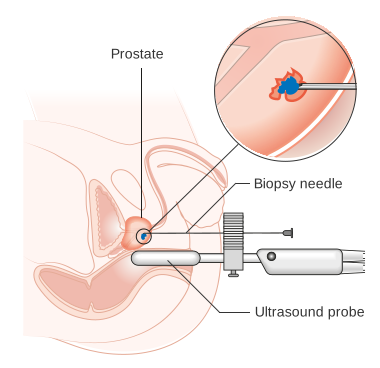
A transperineal prostate biopsy is a diagnostic procedure that takes small tissue samples from the prostate using a biopsy needle guided by ultrasound imaging. Unlike a transrectal biopsy, the needle passes through the perineum rather than the rectum, helping reduce the risk of infection while providing excellent access to the entire prostate.
A specialist laboratory analyses the tissue samples to determine whether prostate cancer or other prostate conditions are present.
The needle does not pass through the rectum, reducing the chance of infection.
Better access to all regions of the prostate, including areas that can be difficult to reach.
Targeted and systematic sampling helps improve diagnostic accuracy.
Most patients are able to go home on the same day.
A transperineal prostate biopsy is generally well tolerated, but like any medical procedure, it can have temporary side effects. Common side effects include;
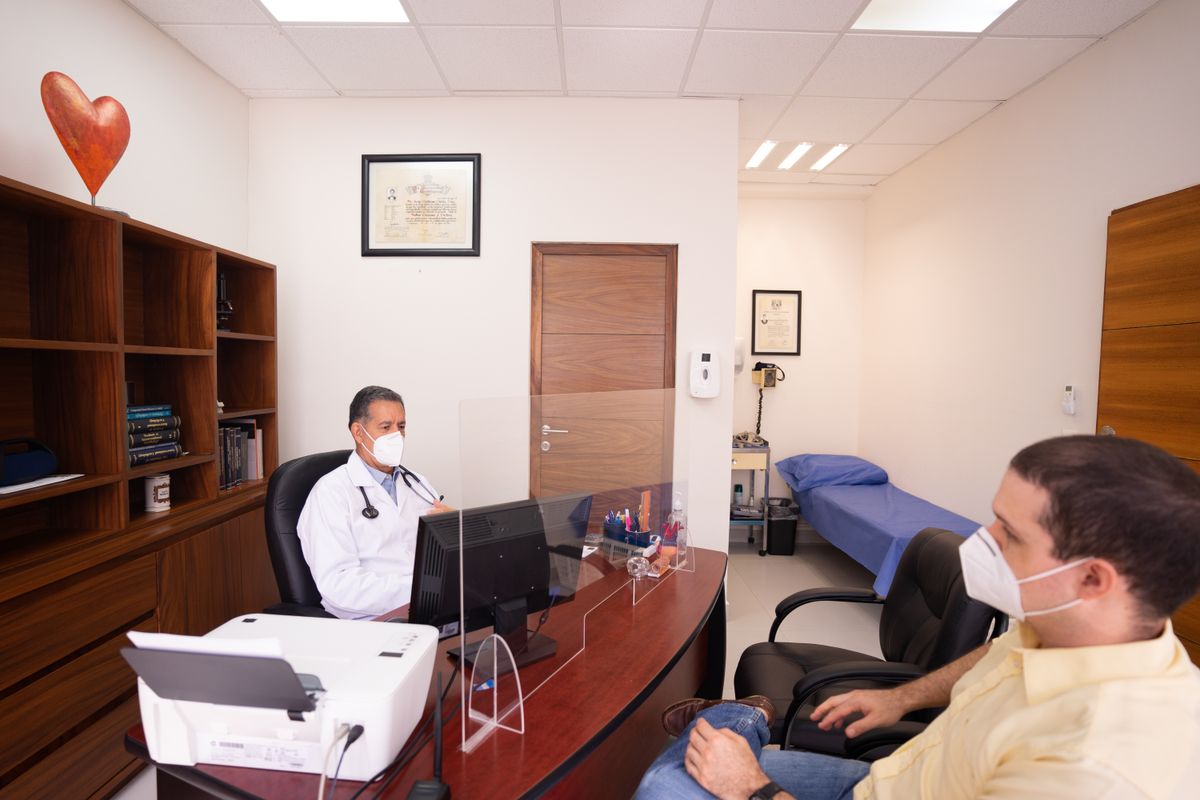
Performed while you are awake using local anaesthetic to numb the biopsy area.
Uses a stepper stabiliser with ultrasound guidance for precise, systematic sampling of the prostate.
After the procedure, you will be monitored for a short period before returning home.
Drink plenty of fluids during the first 24–48 hours.
Avoid strenuous exercise or heavy lifting for one to two days.
Mild blood in the urine or semen is expected for a short period.
In most cases, patients can safely return to their regular daily activities within one to two days.
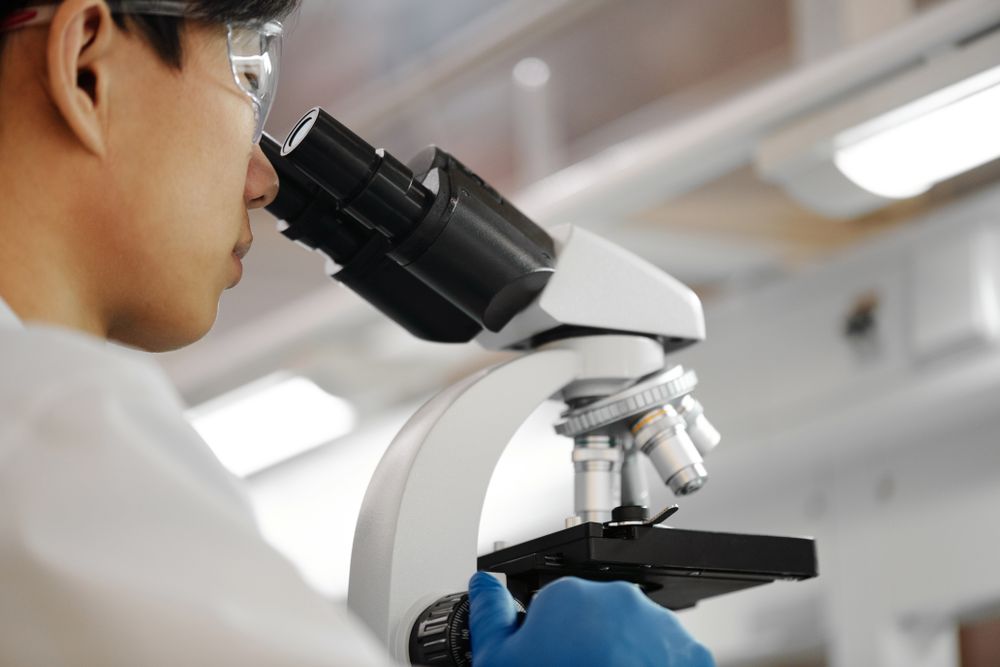
A specialist pathologist examines your biopsy samples. Results are typically ready within one to two weeks after the procedure. At your follow-up appointment, your urologist will explain:
These may indicate an infection.
This requires prompt medical assessment.
Seek urgent medical advice.
Especially if it does not improve after the procedure.
Our consultant urologists can provide more information about transperineal prostate biopsy, prostate cancer diagnosis, and your treatment options.
Consultant Urological Surgeon from Manchester
Consultant Urological Surgeon from Sheffield
Information on transperineal biopsy, MRI-guided diagnosis, and prostate cancer assessment.
Consultant Urological Surgeon from South London
Expert advice on prostate diagnostics, biopsy procedures, and treatment pathways.
Need more information?
If you have questions about a transperineal prostate biopsy or would like to discuss your options, contact the Global Prostate Solutions team or your referring urologist for further guidance.