A prostate biopsy is one of the most important procedures used to diagnose prostate cancer and investigate abnormal prostate findings. Traditionally, many prostate biopsies were performed under sedation or general anaesthesia, but advances in medical techniques now allow many men to safely undergo a prostate biopsy under local anaesthesia in an outpatient setting.
This modern approach is minimally invasive, well tolerated by most patients, and allows for quicker recovery while maintaining excellent diagnostic accuracy. In particular, transperineal prostate biopsy under local anaesthesia is increasingly being adopted worldwide because of its lower infection risk and improved patient safety.
On this Page
What is a Prostate Biopsy?
A prostate biopsy is a procedure in which small tissue samples are taken from the prostate gland and examined under a microscope to check for cancer or other abnormalities. Doctors may recommend a prostate biopsy if:
- PSA (Prostate-Specific Antigen) levels are elevated
- An MRI scan shows suspicious areas
- A digital rectal examination (DRE) feels abnormal
- Previous biopsy results were inconclusive
- Active surveillance for prostate cancer is being monitored
What is Prostate Biopsy under Local Anaesthesia?
Local anesthesia means the area being treated is numbed while the patient remains awake during the procedure. Unlike general anesthesia, patients do not need to be fully unconscious.
During a prostate biopsy, the doctor injects local anesthetic medication into the biopsy area to reduce discomfort. Patients may still feel pressure or mild sensations, but significant pain is usually minimised.
Many modern transperineal prostate biopsies can now be safely performed under local anesthesia in a clinic or outpatient setting.
Why is local anesthesia becoming more popular?
Local anesthesia offers several benefits compared to general anesthesia or sedation.
- Faster Recovery
- Patients can usually go home shortly after the procedure without needing extended recovery time.
- Avoids Risks of General Anesthesia
- General anesthesia may not be suitable for every patient, especially older adults or those with certain medical conditions.
- Outpatient Convenience
- Many local anesthetic biopsies can be performed in a clinic setting without hospital admission.
- Reduced Costs
- Avoiding operating theatre time and anesthesia support may lower healthcare costs.
- Good Patient Tolerance
- Research and clinical experience suggest that many men tolerate local anesthetic transperineal biopsy well when performed using modern techniques.
How is a Prostate Biopsy under Local Anesthesia performed?
Although techniques may vary slightly between hospitals and clinics, the procedure generally follows these steps:
- Preparation
Before the biopsy:
- Your doctor reviews MRI scans and PSA results
- Blood-thinning medications may need adjustment
- Antibiotics may be prescribed in some cases
- You may be asked to avoid eating for a short period, depending on the clinic protocol
- Positioning
The patient lies comfortably while the doctor prepares the biopsy area.
- Local Anesthetic Injection
The skin and deeper tissues are numbed using local anesthetic injections. Patients may feel a brief stinging sensation during this step.
- Ultrasound Guidance
An ultrasound probe is inserted into the rectum to guide accurate needle placement.
- Tissue Sampling
Small biopsy samples are taken from targeted areas of the prostate. MRI-targeted biopsies may also be performed if suspicious lesions are identified on imaging.
The entire procedure usually takes around 20–45 minutes, depending on the number of samples required.
Does a local anesthesia for prostate biopsy hurts?
Most men experience mild to moderate discomfort rather than severe pain. The anesthetic injections are often the most uncomfortable part of the procedure. Once the area becomes numb, many patients report only pressure sensations or brief discomfort during sampling.
Patient experiences can vary depending on anxiety levels, prostate size, biopsy technique, and individual pain tolerance. Community experiences shared online also suggest that while some men find the procedure uncomfortable, many tolerate it better than expected under local anesthesia.
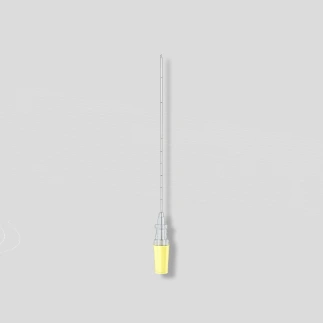
Best Spinal Needle for Local Anesthesia!
UKs affordable Biopsy Kit.
Benefits of Transperineal Prostate Biopsy Under Local Anesthesia
- Lower Infection Risk
- One of the biggest advantages is the significantly lower risk of severe infection or sepsis compared to transrectal biopsy.
- Better Access to the Prostate
- The transperineal route allows improved access to anterior and apical regions of the prostate that may be difficult to sample using transrectal biopsy.
- Suitable for Outpatient Clinics
- Modern free-hand techniques and improved local anesthetic methods now allow many biopsies to be safely completed without sedation.
- Faster Return to Daily Activities
- Many patients return to normal light activities within a day or two.
What are the possible side effects and risks?
Although prostate biopsy is generally safe, some temporary side effects are common.
Common Side Effects:
- Blood in the urine
- Blood in semen
- Mild discomfort or bruising
- Temporary urinary symptoms
These symptoms usually improve within days to weeks.
Less Common Risks:
- Urinary retention
- Infection
- Fever
- Temporary erectile dysfunction
- Bleeding complications
Patients should contact their doctor immediately if they develop fever, severe pain, inability to urinate, or heavy bleeding after the procedure.
Recovery after a Prostate Biopsy
Recovery after a local anesthetic biopsy is usually straightforward. Most patients are advised to:
- Drink plenty of fluids
- Avoid heavy lifting for 24–48 hours
- Take prescribed medications if needed
- Rest for the remainder of the day
Blood in semen can sometimes persist for several weeks and is usually not dangerous.
Who may benefit most from this procedure?
Transperineal prostate biopsy under local anesthesia may be especially helpful for:
- Men with previous biopsy infections
- Patients unsuitable for general anesthesia
- Individuals requiring repeat biopsies
- Patients on active surveillance
- Men with suspicious MRI findings in hard-to-reach prostate areas
Is Local Anesthetic Prostate Biopsy effective?
Yes, Studies show that transperineal biopsy under local anesthesia provides excellent cancer detection rates while improving patient safety and reducing the risk of infection. Many specialists now consider it one of the preferred modern biopsy approaches.
Conclusion
Prostate biopsy under Local Anesthesia has become a safe, effective, and minimally invasive option for diagnosing prostate cancer. With lower infection risk, shorter recovery time, and improved patient comfort, transperineal biopsy under local anesthesia is increasingly being preferred by both patients and specialists. Although mild discomfort may occur, modern techniques have made the procedure more accurate and better tolerated than ever before.
Consult the best urologist in Manchester to know more about the prostate biopsy procedure.
FAQs
1. How long does the procedure take?
A prostate biopsy under local anesthesia typically takes around 20 to 45 minutes.
2. Can I go home the same day?
Yes. Most patients go home shortly after the procedure since it is usually performed as an outpatient treatment.
3. How long does recovery take?
Most men recover within a few days and can return to light activities within 24–48 hours.