Why are urologists shifting from Transrectal to Transperineal Prostate Biopsy?
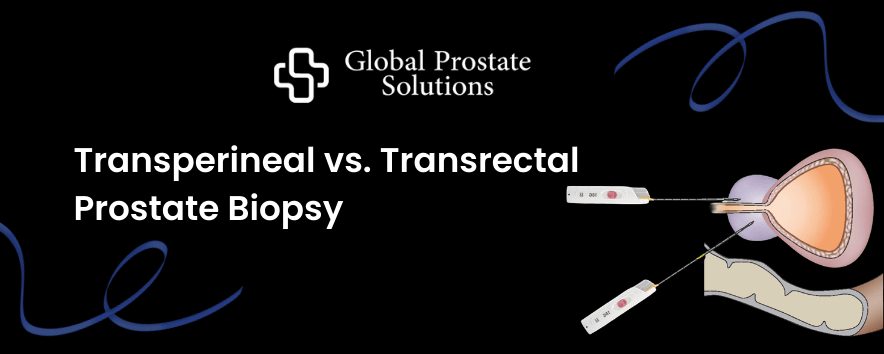
For decades, the transrectal biopsy has been the standard method for diagnosing prostate cancer. However there were increased concerns regarding infection risk, antibiotic resistance, and diagnostic limitations. Healthcare providers are prioritising safer, more accurate, and cost-effective approaches in their clinical settings. In the field of urological diagnostics, the shift from Transrectal Ultrasound-guided (TRUS) biopsies to Transperineal (TP) biopsies represents one of the most significant safety and accuracy upgrades in recent clinical history. For procurement heads and department leads, the transition is no longer just a clinical preference—it is a strategic move to reduce post-operative complications and long-term hospital costs. What is Transrectal Prostate Biopsy? A transrectal prostate biopsy is a procedure in which a needle is passed through the wall of the rectum into the prostate to collect tissue samples, usually guided by ultrasound. Since the needle passes through the rectum, there is a higher risk of infection, and antibiotics are typically required. Challenges with Transrectal Biopsy The transrectal approach involves passing the biopsy needle through the rectal wall, which introduces bacteria into the prostate and bloodstream. This significantly increases the risk of infection and necessitates the routine use of prophylactic antibiotics, contributing to growing global concerns around antibiotic resistance. This method is associated with a higher rate of post-procedure complications. Parameter Data Infection / Sepsis Rate 2% – 7% Hospital Admissions 1% – 3% Antibiotic Usage 100% of patients Risk Factor Bacterial contamination via rectum What is Transperineal Prostate Biopsy? A transperineal prostate biopsy involves inserting the needle through the skin between the anus and scrotum (the perineum) to reach the prostate. This approach avoids the rectum, significantly reducing the risk of infection and improving access to all areas of the prostate. It is increasingly preferred by 50% of urologists across the UK due to its safety, better diagnostic accuracy, and reduced need for antibiotics. Advantages of Transperineal Biopsy The transperineal approach eliminates rectal involvement by accessing the prostate through the perineal skin, significantly improving safety and clinical outcomes. (i) Near-Zero Infection Risk By avoiding the rectal pathway, the transperineal method reduces bacterial exposure, resulting in extremely low infection rates. Parameter Data Infection / Sepsis Rate <0.1% – 0.5% Clinical Outcome Many centres report zero sepsis cases (ii) Improved Diagnostic Accuracy Transperineal biopsy provides better access to the anterior region of the prostate, which is often missed in transrectal procedures. This leads to improved detection of clinically significant cancers. Method Detection Rate Transperineal ~45% – 55% Transrectal ~35% – 45% (iii) Reduced Antibiotic Dependency With minimal infection risk, transperineal biopsy can often be performed without antibiotics, addressing concerns around antimicrobial resistance. (iv) Cost Efficiency for Healthcare Systems Although initial setup costs for transperineal biopsy may be slightly higher, the reduction in complications leads to significant long-term savings. Cost Factor Transrectal Transperineal Infection-related hospitalisation £1,500 – £3,000 per case Negligible Annual financial impact High due to complications Significantly reduced Estimated annual savings after switching procedure The estimated annual savings when switching from transrectal to transperineal prostate biopsy primarily come from the significant reduction in infection-related complications. While transperineal biopsy may have a slightly higher upfront procedure cost, it dramatically lowers infection rates from around 2–7% in transrectal procedures to less than 0.5% in transperineal approaches. This reduction leads to fewer hospital admissions, decreased antibiotic use, and minimal post-procedure complications. In a typical hospital performing around 1,000 biopsies per year, transrectal biopsy can result in approximately 30 infection cases annually, each costing between £1,500 and £3,000 for treatment. The transperineal biopsy reduces this to 0–5 cases per year, resulting in substantial cost savings. Lets understand with the help of a case example; During the Transperineal Approach After Transperineal Implementation Real World Adoption Trends Healthcare systems, particularly in the United Kingdom are rapidly transitioning toward transperineal biopsy as the new standard of care. Procurement & Clinical Benefits The transperineal prostate biopsy offers significant clinical, financial, and operational advantages. It is a much safer procedure with minimal infection risk and provides a higher detection rate of clinically significant cancers. The procedure can be performed under local anaesthesia, enables faster patient recovery, and improves overall patient throughput and workflow efficiency within healthcare settings. Conclusion The transition from transrectal to transperineal prostate biopsy represents a critical advancement in prostate cancer diagnostics. With substantially lower infection rates, improved diagnostic accuracy, and significant cost savings, transperineal biopsy is emerging as the preferred standard for modern healthcare systems. For hospitals and procurement leaders, adopting this approach is not only a clinical decision but also a strategic investment in patient safety, operational efficiency, and long-term sustainability.