The prostate is often talked about but rarely understood. Yet this small gland plays a significant role in male reproductive and urinary health. Understanding what is the function of the prostate, how it works, and what can go wrong is essential for men of all ages—particularly as prostate conditions become more common with age.
In this comprehensive guide, we explore the function of the prostate, why it matters, and the key signs you should not ignore.
On this Page
What is a Prostate?
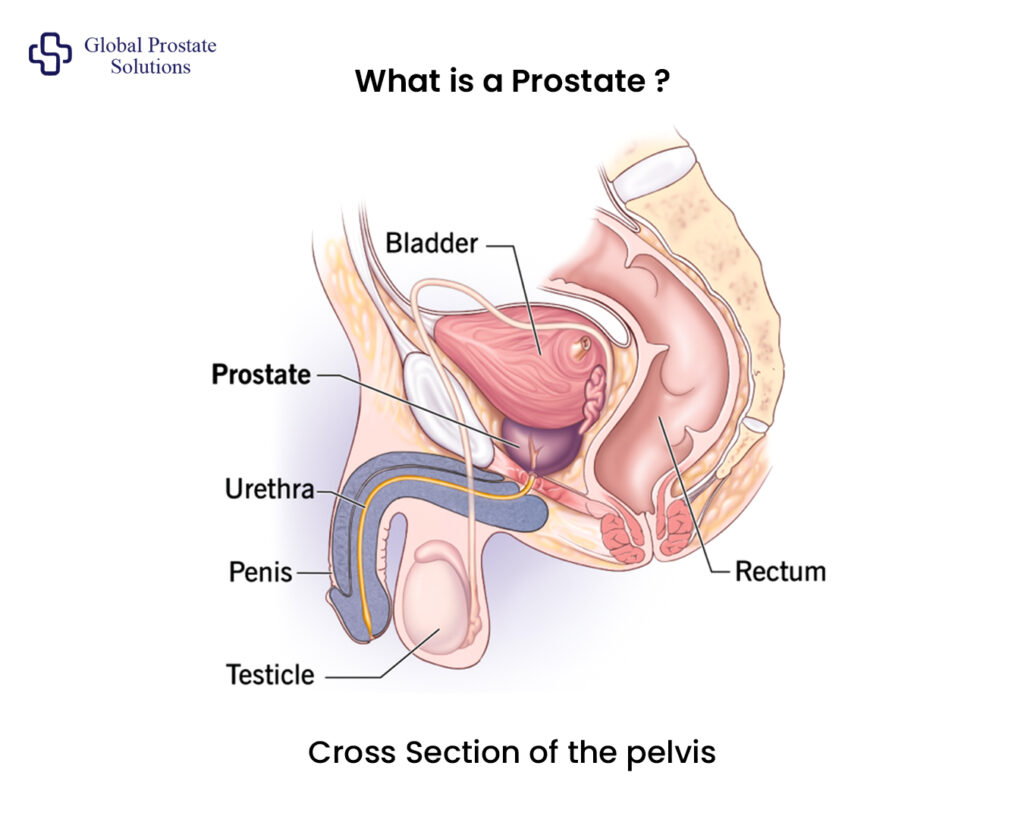
The prostate is a walnut-sized gland located just below the bladder and in front of the rectum. It surrounds the urethra, the tube that carries urine and semen out of the body. Although small, its role in male reproductive health is crucial.
What is the function of the Prostate?
The primary function of the prostate is to produce seminal fluid, a key component of semen. This fluid nourishes, protects, and transports sperm during ejaculation.
Let’s understand the core functions of the Prostate:
- Producing Seminal Fluid: Around 20–30% of semen is made up of prostatic fluid. This fluid supports sperm mobility and survival, ensuring successful fertilisation.
- Protecting Sperm: Prostatic fluid contains enzymes, zinc, and proteins that shield sperm from the acidic environment of the vagina—enhancing their chances of reaching the egg.
- Supporting Ejaculation: During ejaculation, the prostate contracts to push semen through the urethra. These contractions create the pressure needed for semen to exit the body.
- Help regulate urinary flow: Because the prostate surrounds the urethra, it plays a role in urinary control. When healthy, it allows normal urine flow; when enlarged, it can restrict the urethra and disturb urination.
Hormonal influence on Prostate function
The prostate is highly sensitive to male hormones, especially testosterone and dihydrotestosterone (DHT). These hormones regulate growth, function, and fluid production. As men age, hormonal changes can cause the prostate to enlarge.
What happens when the prostate doesn’t function properly?
Problems arise when the prostate becomes inflamed, enlarged, or cancerous. Common prostate conditions include:
- Benign Prostatic Hyperplasia (BPH)
- Prostatitis
- Prostate Cancer
1. Benign Prostatic Hyperplasia (BPH)
Benign Prostatic Hyperplasia is non-cancerous enlargement of the prostate, often causing:
- Frequent urination
- Weak urine flow
- Difficulty emptying the bladder
2. Prostatitis
Prostatitis is the inflammation or swelling of the prostate gland, causing pain in the pelvic area, difficulty urinating, and pain during urination or ejaculation. This condition causes;
- Pelvic pain
- Painful urination
- Fever (in bacterial cases)
3. Prostate Cancer
Prostate Cancer is one of the most common cancers in men. Early detection greatly improves outcomes, making screening essential.

Demanding Prostate Biopsy Kit
in the United Kingdom.!!!
Why is understanding prostate function important?
A healthy prostate is essential for:
- Fertility
- Sexual function
- Bladder control
- Overall reproductive health
Understanding its function encourages early detection, timely treatment, and better long-term wellbeing.
Signs you shouldn’t ignore
Seek medical advice if you experience:
- Difficulty passing urine
- Blood in urine or semen
- Lower back, hip, or pelvic pain
- Painful ejaculation
- Frequent night-time urination
Early assessment can prevent complications and improve treatment outcomes.
How to keep your prostate healthy?
Maintaining prostate health is easier with simple lifestyle habits:
- Eat a balanced, nutrient-rich diet
- Maintain a healthy weight
- Stay physically active
- Limit alcohol and caffeine
- Avoid smoking
- Stay hydrated
- Schedule routine prostate health checks
Men over 50—or over 45 with a family history—should discuss prostate specific antigen test testing with their general practitioner.
Conclusion
In conclusion, understanding what is the function of the prostate is key to maintaining male reproductive and urinary health. Although small, the prostate has big responsibilities—from producing semen to protecting sperm and supporting urinary flow. Taking proactive steps, recognising symptoms early, and seeking professional advice can help safeguard your prostate throughout life.
FAQs
1. What happens if a man’s prostate is removed?
When the prostate is surgically removed, semen production stops because the prostate and seminal vesicles are responsible for most of the fluid in ejaculate. Men can still experience orgasm, but it will be a “dry” orgasm. Urinary control may be temporarily affected, but most men improve with time and pelvic floor exercises. Erectile function may also be affected depending on the type of surgery and whether nerves are preserved.
2. What are the 5 warning signs of prostate problems?
Five common warning signs include:
• Difficulty starting or maintaining a urine flow
• Frequent urination, especially at night
• Weak or interrupted urine stream
• Pain or burning during urination or ejaculation
• Blood in urine or semen
3. Can I live without a prostate?
Yes, a man can live a normal life without a prostate. The prostate is primarily involved in fertility, not survival. After removal, men cannot ejaculate semen, but they can still have sexual function (depending on nerve preservation) and normal urinary health with proper recovery and support.
4. What happens to the prostate when ejaculating?
During ejaculation, the prostate contracts to push prostatic fluid into the urethra, mixing with sperm from the testicles to form semen. These contractions help propel semen out of the body. A healthy prostate supports normal ejaculation and fertility.