You might have heard Urology. But What Is Urology? Urology is a medical branch that focuses on the surgical and medical diseases of the male and female urinary tract system, and the male reproductive organs.
This medical condition involves the diagnosis and treatment of conditions affecting the kidneys, bladder, urethra, and male reproductive organs. A Urologist is a surgeon who specialises in conditions involving the urinary tract system. Let us understand more on Urology.
On this Page
What is Urology?
Urology is a medical and surgical specialty that deals with diseases of the urinary tract in both men and women, as well as the male reproductive system. The urinary tract is a vital part of our urinary system, delivering urine from the kidneys to the bladder and the urethra through the ureters.
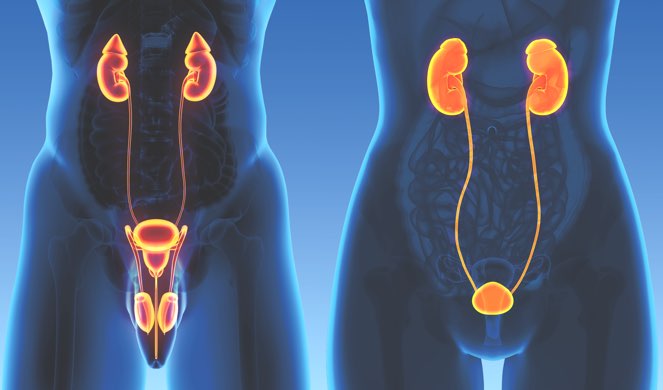
It also houses the male reproductive organs, including the penis, scrotum and testicles, which create and store semen to be transported to other parts of the body for reproduction. When these organs are not in tip-top shape, it causes issues like Urinary Tract Infections (UTIs), kidney stones, or erectile dysfunction.
Historical Perspective of Urology
Urology has evolved from one of the oldest surgical disciplines into a highly specialised branch of modern medicine. In medieval Europe, urinary conditions such as bladder stones were treated by traveling stonecutters and barber-surgeons, laying the foundation for today’s urological practice.
As medical science progressed, the introduction of urinary catheters and the cystoscope established urology as a distinct surgical specialty, with the management of prostate diseases becoming one of its core areas. Over the years, urology has embraced continuous innovation, advancing from open surgery to minimally invasive, endoscopic, and laparoscopic procedures.
Alongside surgical techniques, medical therapies have expanded treatment options for conditions such as kidney stones, benign prostatic hyperplasia (BPH), urinary disorders, infertility, and urological cancers. Today, urology includes several subspecialties, including uro-oncology, endourology, reconstructive urology, pediatric urology, female urology, and robotic surgery, allowing specialists to provide highly focused patient care.
What is the future of Urology?
The future of urology is driven by rapid advancements in technology and precision medicine. Modern imaging techniques such as ultrasound imaging, CT, and multiparametric MRI (mpMRI), along with robotic-assisted surgery, have transformed the diagnosis and treatment of urological diseases.
Emerging innovations in artificial intelligence, molecular diagnostics, immunotherapy, and targeted therapies are expected to further improve early detection, surgical accuracy, and personalised treatment. As research continues to evolve, urology remains at the forefront of delivering safer, more effective, and minimally invasive care for patients worldwide.
Who is a Urologist?
A urologist is a doctor who specialises in the genitourinary tract (kidneys, bladder, prostate, penis and scrotum) for both males and females of all ages, from infants to elderly adults. Urologists also treat conditions, including erectile dysfunction, that are related to the Male Reproductive System.
To ensure high-quality patient-centered care, they must have a wide range of skills, from recognising the signs and symptoms of disease to performing complex surgeries. Urologists also need to be good communicators, educating their patients about their condition and the available treatment options.
They also need to be team players, as they often work with other specialists to diagnose and treat their patients. There are also national and international organisations that provide resources to urologists, such as the American Urological Association and the European Association of Clinical Urology.

Advanced Prostate Biopsy Kit
for accurate and precision results .!!!
Major urology problems for Men and Women
Men can face a variety of urological issues, including Erectile Dysfunction (ED) and Prostate Cancer. They can also experience urination problems, such as recurrent urinary tract infections and Benign Prostatic Hyperplasia (BPH), which is a condition that affects most men as they age. Regular checkups can help detect these problems early, when they are most treatable.
For women, urological issues include Urinary Tract Infections (UTIs) and Overactive Bladder Syndrome (OAB). UTIs develop when bacteria enter the urinary tract, causing a painful burning sensation during urination. OAB condition causes a frequent need for urination, and involuntary urine loss can happen.
Kidney stones are also common, and urologists can assist with their passage. They can use medical or surgical techniques to remove large kidney stones, and can break up small ones with extracorporeal shock wave lithotripsy.
Conclusion
In Conclusion, understanding what Is Urology is, is essential. The medical specialty of urinary and reproductive system health can be very complicated until the issue is identified and resolved. Whether you’re a man experiencing prostate issues or a woman dealing with bladder concerns, urologists are trained to provide adequate care.
Don’t ignore the signs—early diagnosis can make a big difference. Upon finding the cause of the condition, diagnostic methods like biopsy tests can be helpful in treatment. Looking for a urology consultant in Manchester? Book Your Consultation Today.
FAQs
1. What does a urologist treat?
A urologist treats conditions related to the urinary tract and male reproductive organs. The various conditions include bladder issues, kidney stones, prostate problems, infections, and infertility.
2. What are the signs I need to see a urologist?
Some signs include blood in urine, difficulty urinating, recurring UTIs, erectile dysfunction, or pelvic pain. These are common urology symptoms that shouldn’t be ignored.
3. What does a urologist do for males specifically?
A urologist helps men with prostate exams, testicular health, sexual performance, and fertility problems. They may also offer treatments for low testosterone or urinary issues.
4. How does a urologist examine a woman?
When examining a woman, a urologist may perform a pelvic exam, request urine tests, or use imaging scans to check for bladder or kidney problems. They also treat conditions like UTIs, incontinence, and bladder prolapse in women.
5. Do I need a referral to see a urologist?
Yes, initially, the primary care doctor will assess your symptoms and provide a referral to a urologist if needed.